
The mammalian diving response, pulmonary edema, and death from epileptic seizures
Pulmonary edema occurs when the fluid inside pulmonary capillaries breaks into or through the alveolar membrane. When this occurs, gas exchange between alveoli and red blood cells is hindered, resulting in low oxygen levels. Epileptic seizures can result in pulmonary edema when they impede breathing, (particularly after an exhalation). In the absence of breathing (i.e., apnea), the body deploys an augmented form of the mammalian diving response (MDR) that lowers the heart rate and shunts excess blood into the pulmonary capillaries. This extra blood augments their pressure, forcing intravascular fluid into the alveolar membranes, and at times, into the alveoli. While mild pulmonary edema reverses spontaneously, severe pulmonary edema can result in severe hypoxia and death. Watch the video.
The lost father of the mammalian diving response

The science that led to the discovery of the mammalian diving response originated with the discovery of diving bradycardia, a primordial oxygen-conserving reflex by which the heart rate of air-breathing vertebrates, including humans, slows down in response to prolonged apnea (either on land or underwater). Curiously, luminaries in the field erroneously attributed its discovery to Paul Bert even though his experiments were never intended for such a discovery. Instead, diving bradycardia had been discovered by a little known British medical student who first observed this phenomenon in his doctoral thesis almost 100 years before Bert’s work was published. Ironically, his thesis was listed, for all to see, in Paul Bert’s own list of citations.
Can the risk of death from a seizure (SUDEP) be predicted?
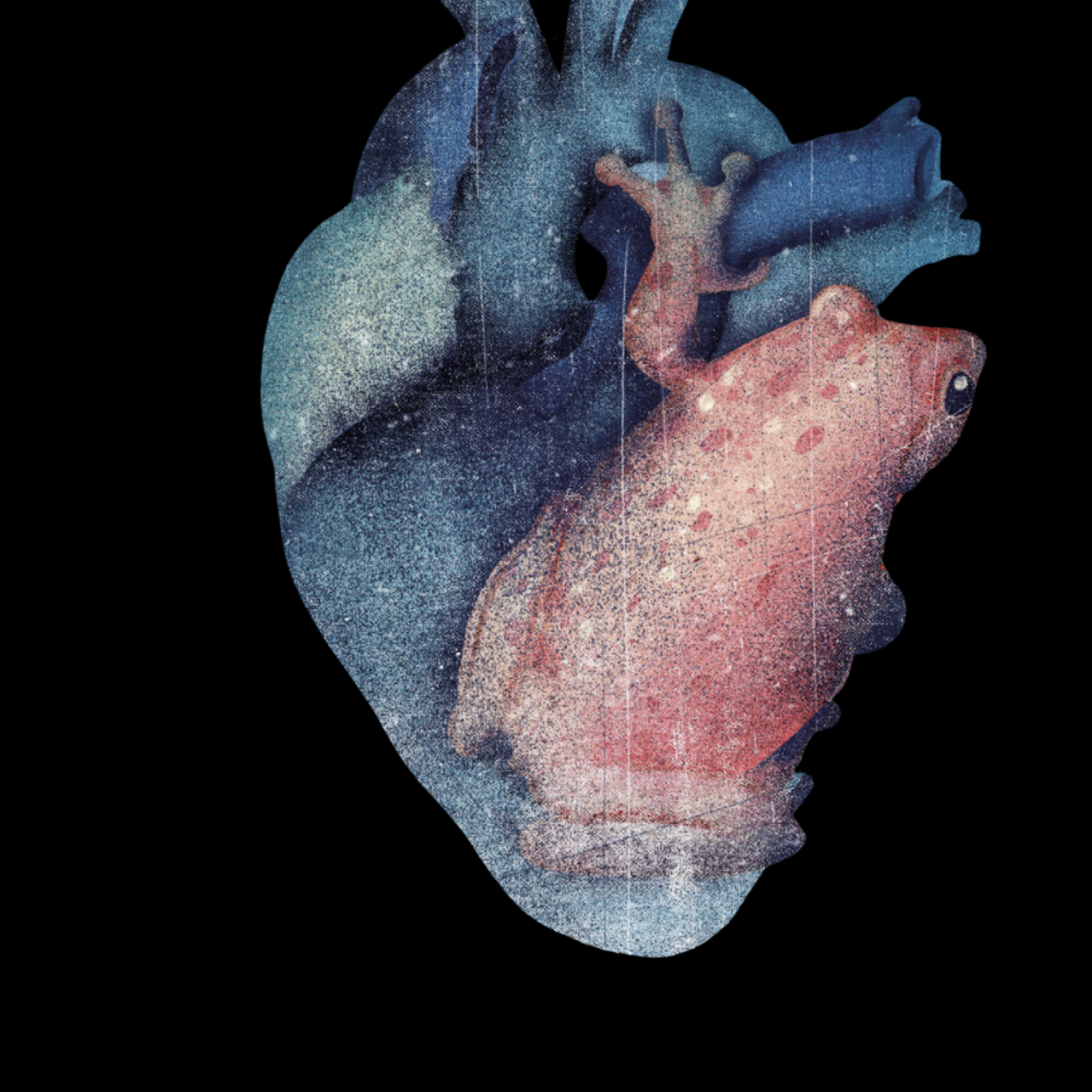
At any given time, over 60% of the body’s circulating polymorphonucleocytes (a type of immune cell that includes neutrophils, basophils, eosinophils and MAST cells) are in transit through the lungs. But when pulmonary blood flow increases, as it happens when people exercise, become anxious, or have a seizure, these immune cells are propelled back into the peripheral blood and cause a detectable elevation of the white blood cell count. Could the blood shift of the mammalian diving response, which fuels a major increase in pulmonary blood flow, explain the transient elevations of the white blood cell count in some epilepsy patients? If so, could this help to quantify the risk of death from seizures?
Circulating immune cells and lung blood flow during deadly seizures
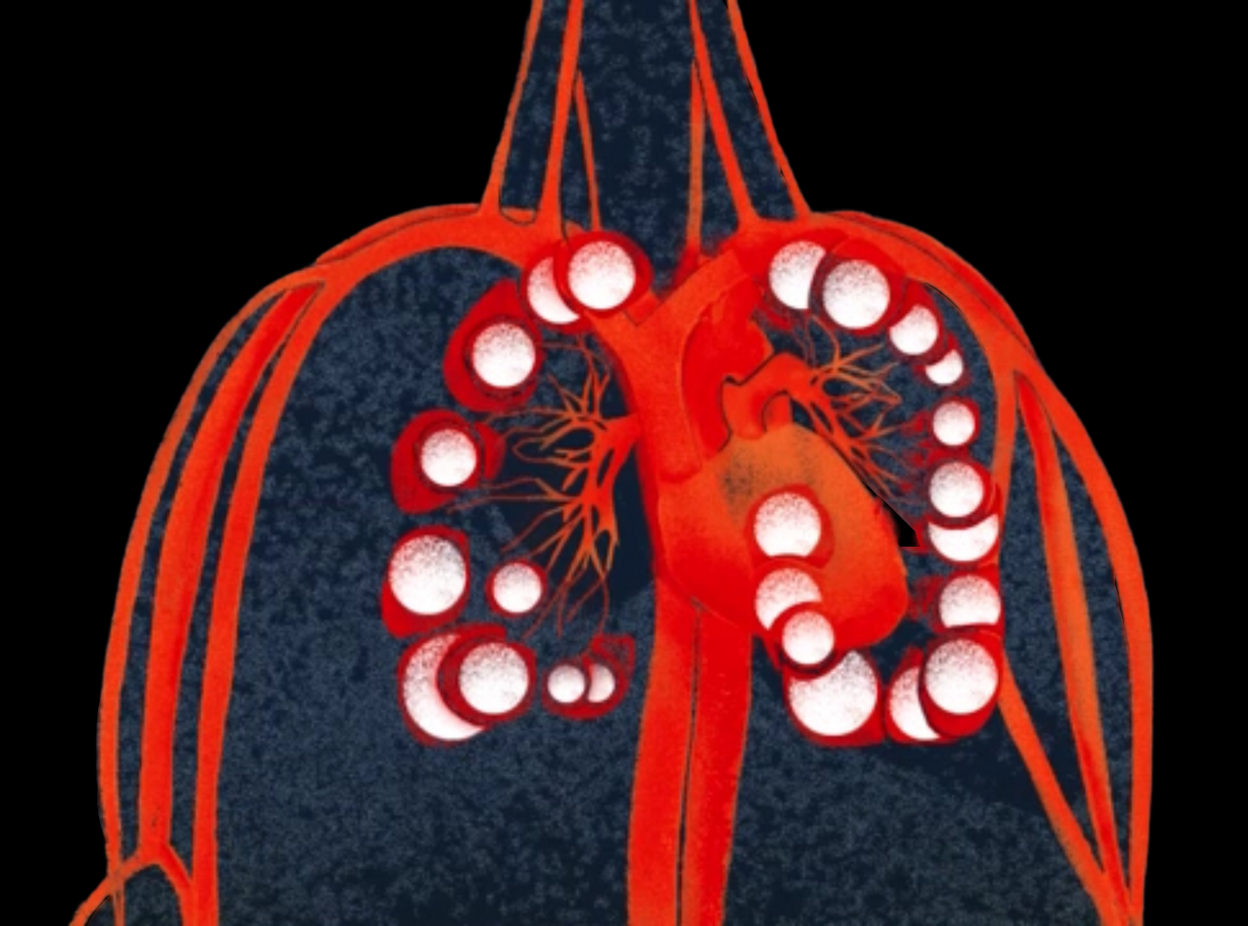
Some epileptic convulsions elevate the white blood cell count. Others don’t. No one knows why. But several studies show that the magnitude of these elevations relate to patients’ clinical outcomes. Recent work even suggests they are linked to the degree of breathing abnormalities developed during or after convulsions. Could the white blood cell count after seizures be used as a harbinger of dangerously increased pulmonary blood flow, and thus of dangerously increased pressure in the pulmonary capillaries during seizures? Is it related to mammalian diving responses triggered during some epileptic convulsions?
Articles